Lake Togo is half an hour from Kégué. You cross it by pirogue to Togoville, the village that gave the country its name. On the south shore, at Agbodrafo, Wood Home recalls the slave trade. It is an easy outing from Lomé, and the season now starting is the best one for it.
Agbodrafo, on the lakeshore
Agbodrafo is 34 km from Kégué, about 30 minutes without traffic. The lake lies some 30 km from Lomé along the N2. It is roughly 15 km long and 6 km wide, covering 46 km² at its lowest level.
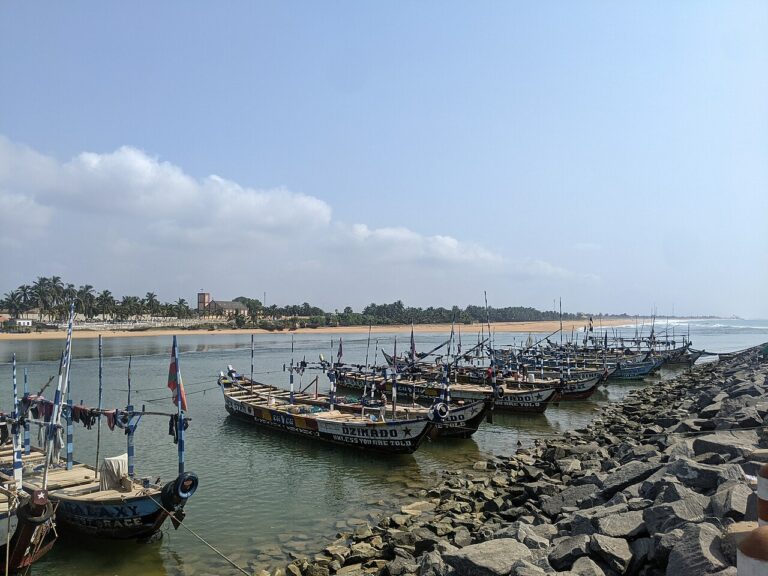
Agbodrafo is a seaside town between the ocean and the lake, at the southern tip, facing Togoville. Europeans once called it Porto-Seguro, and it was a major centre of the slave trade.
Wood Home, the slave house
It belonged to the Scottish slave trader John Henry Wood and was built shortly after 1835. It was used for the illegal slave trade until 1852. Captives were held in a cellar 1.50 m high, where they could not stand up. Nearby is the “puits des enchaînés”, the well of the chained.
The house was restored in 2006 and has been on UNESCO’s tentative list since 8 January 2002. Give it time before you cross the lake: the water looks different afterwards.
Crossing by pirogue
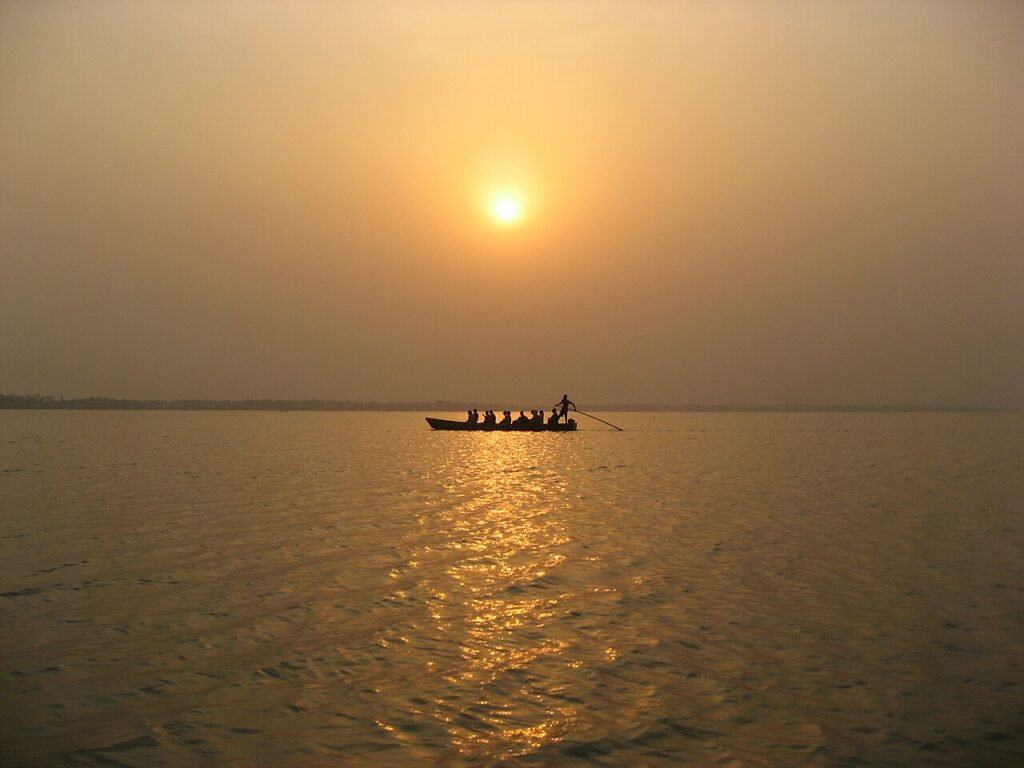
To reach Togoville, you take a pirogue from one of the landing stages on the south shore. By road, round the lake, Togoville is 41 km from Kégué, close to an hour. The pirogue goes straight across, as Agbodrafo faces Togoville.
Agree the fare before you board, just as you would with a taxi. On the lake you can also try pedalos, windsurfing, water-skiing or jet-skiing, or go birdwatching. Just don’t swim: the Routard guide strongly advises against it because of bilharzia.
Togoville and Notre-Dame du Lac
Togoville gave Togo its name. The Routard guide places the signing of the protectorate treaty of 5 July 1884, between Nachtigal and Mlapa III, here. Other sources put it at Baguida.
The village is home to the cathedral of Notre-Dame du Lac, built in 1910. The shrine has been a national pilgrimage site since 1973, and Pope John Paul II said Mass there in August 1985.
If you want to photograph people, always ask first: many would rather not be photographed.
Where to stay for a day at Lake Togo
All three of our apartments are in Kégué, Lomé, so the lake makes an easy return trip, with time to be back before dark.
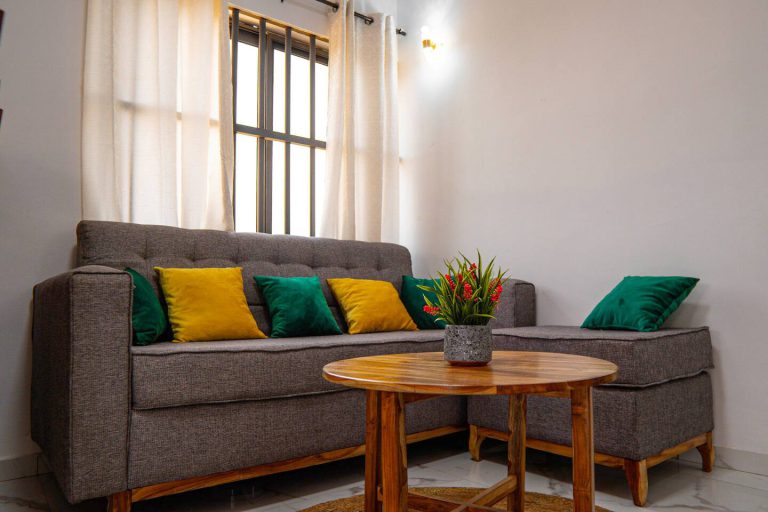
La Petite Cachette, the quiet one, and Le Nid des Lys, with its terrace, each sleep two. Le Cocon Coloré sleeps four in two bedrooms. See them all on our apartments page; you can pay by card or by Mobile Money (Flooz, TMoney).
Our tip
Go between November and February. According to the Routard guide, the short rainy season ends in late October and the long dry season runs from December to March. In the rains, roads can quickly become impassable, so the dry months make the day much simpler.
Set off in the morning, start with Wood Home, then cross to Togoville. To fill the day, carry on to Aného, 48 km from Kégué. Once called Petit-Popo, it was twice Togo’s capital. Look out for its Afro-Brazilian houses, the neo-Gothic cathedral of Saint-Pierre-et-Saint-Paul and the regional museum in the Zébé quarter. A car with a driver lets you link the stops without thinking about the road, and the lake is one of our day trips from Lomé, priced on request.
FAQ
Can you swim in Lake Togo?
No. The Routard guide strongly advises against swimming because of bilharzia. Take a pirogue or a pedalo instead.
How long does it take to get from Lomé to Lake Togo?
Agbodrafo is 34 km from Kégué, about 30 minutes without traffic. From there, Togoville is a pirogue ride away.
When is the best time to go?
November and December, according to the Routard guide, or more broadly November to February.