Kpalimé is 119 km from Kégué, close to two hours by road. That is a long way for a day trip, but it works if you set off early and pick your stops. The countryside around the town is among the finest in Togo, and the region grows more than 80% of the country’s coffee and cocoa. Here is the route we suggest.
The road: leave early, be back before dark
From Kégué it is 119 km, about 1 hr 55 min with no traffic and no stops. The Routard guide allows “nearly two hours”. Togo’s roads are generally in poor shape, but the stretch between Lomé and Kpalimé is rated reasonable.
That makes nearly four hours in the car for the round trip. Aim to leave around 7am. You will have time for three or four stops and still be home before dark, which matters: the French foreign ministry advises against driving at night, as road signs are almost non-existent.
The most comfortable way is a car with a driver, priced on request. In the rainy season roads can quickly become impassable, and a 4×4 is recommended off the main routes.
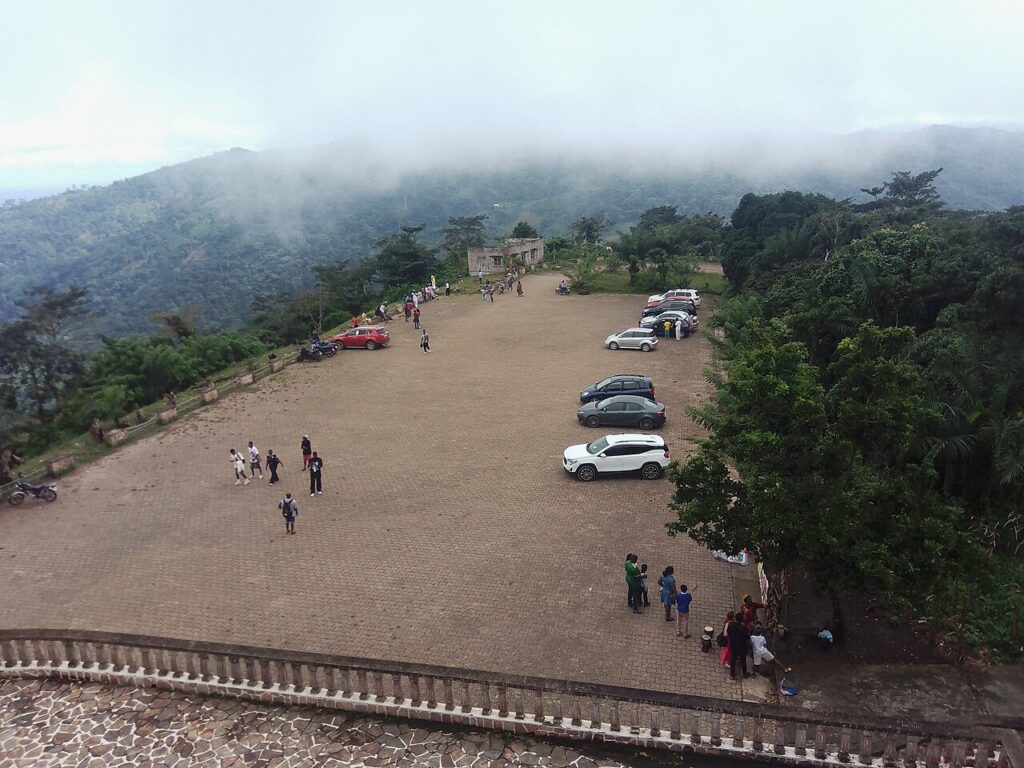
Mount Agou, 986 m
This is Togo’s highest peak, rising between Amoussoukopé and Kpalimé. Ghana is only 15 km from Kpalimé, and on a clear day you can see it from the top.
Worth knowing before you head up: the summit is military land with a telecoms relay on it, so check locally first. Closer to town, Mount Kloto (825 m) overlooks Kpalimé to the north and west.
Womé waterfall
It lies 13 km by road south-west of Kpalimé. The fall drops about 25 m into a pool where you can swim, so bring a towel.
The way down is a staircase of more than 300 steps. Wear proper shoes and save some energy for the climb back. The access track is easier in the dry season; after heavy rain, ask about its condition before setting off.
Château Viale and Missahöhe
Château Viale sits up on the heights, as the Routard guide puts it. Raymond François Viale built it between 1940 and 1944. It later became a residence, then a presidential château from 1975 to 1979.
Missahöhe, also spelt Missahoé, dates from the German period. Governor von Puttkamer named it in 1890, and the German governor’s house still stands. The village sits at the heart of the Missahoé classified forest, whose trails are known for their many butterfly species, and for birds too. Kamalo waterfall, close by, is described as the most visited in Togo.
Kpalimé craft centre
Kpalimé is Togo’s main crafts hub, with 36 workshops and shops and a crafts school. Expect woodcarving, weaving, basketry, batik, pottery and mounted butterflies.
Leave it until last, when all that is left is to load the car. And never name your price first: haggling is expected, and a 1,000 FCFA item can take ten minutes to agree on.
Where to stay before the Kpalimé road
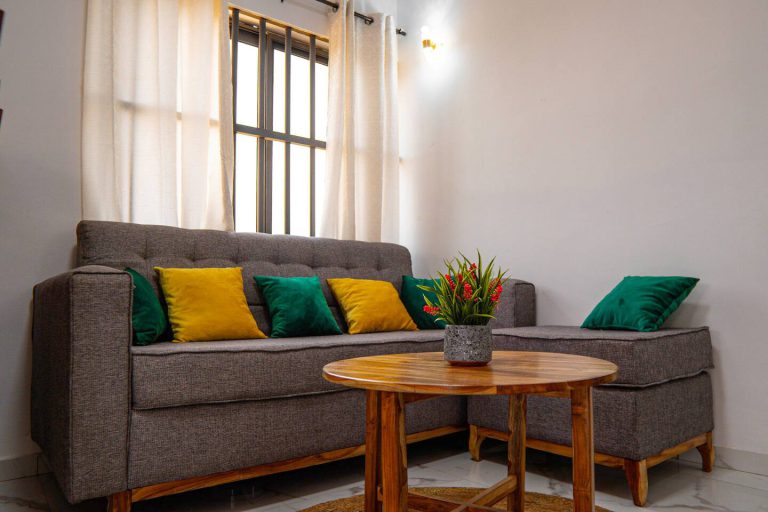
All three of our apartments are in Kégué, Lomé. You leave in the morning and come back to the same place at night, with no repacking.
If several of you are sharing the car, Le Cocon Coloré sleeps four in two bedrooms. Le Nid des Lys, with its terrace, and the quieter La Petite Cachette are both for two. You will find all three on our apartments page.
Our tip
Don’t try to see everything. For one day, we suggest Womé in the morning, Missahöhe or Château Viale after lunch, and the craft centre last. Leave Kpalimé by about 3.30pm to reach Kégué before dark. Swap Womé for Mount Agou if you would rather have a view than a swim. We also arrange this outing as one of our day trips from Lomé, priced on request. Yikpa waterfall, about 50 km from Kpalimé, needs a separate day and a guide, which is compulsory there.
FAQ
How long is the drive from Lomé to Kpalimé?
About two hours for the 119 km from Kégué, not counting stops. Allow close to four hours of driving for the round trip.
When is the best time to visit Kpalimé?
November and December, at the start of the dry season, according to the Routard guide. Tracks such as the one down to Womé are easier then.
Can you swim at Womé waterfall?
Yes. The fall drops into a pool where swimming is possible. Getting down means more than 300 steps.